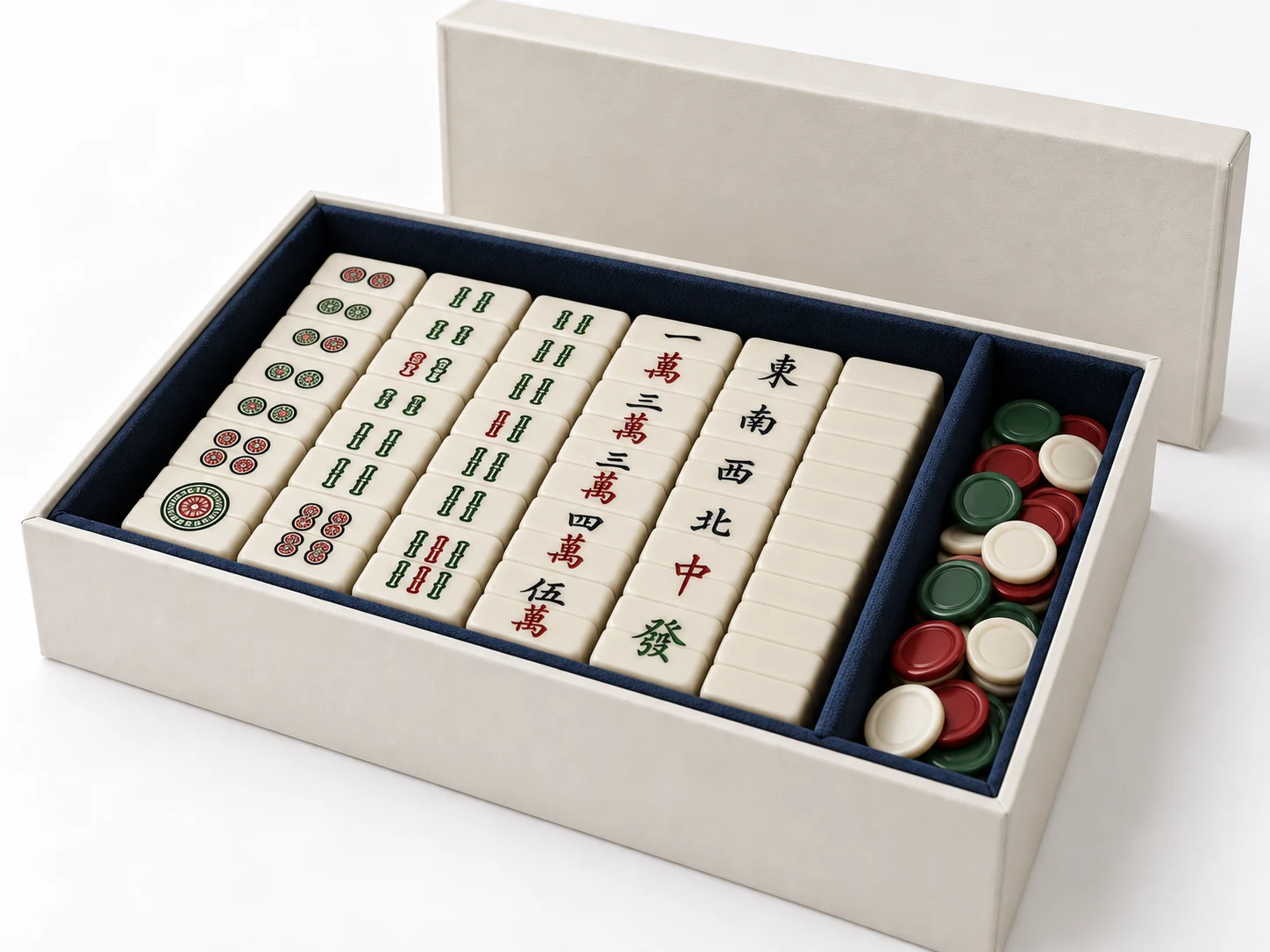
THE SHORT ANSWER
Mahjong originated in China and developed distinct meanings in American communities over time. A credible brand story recognizes that history without claiming that a new collection invented or rescued the game.
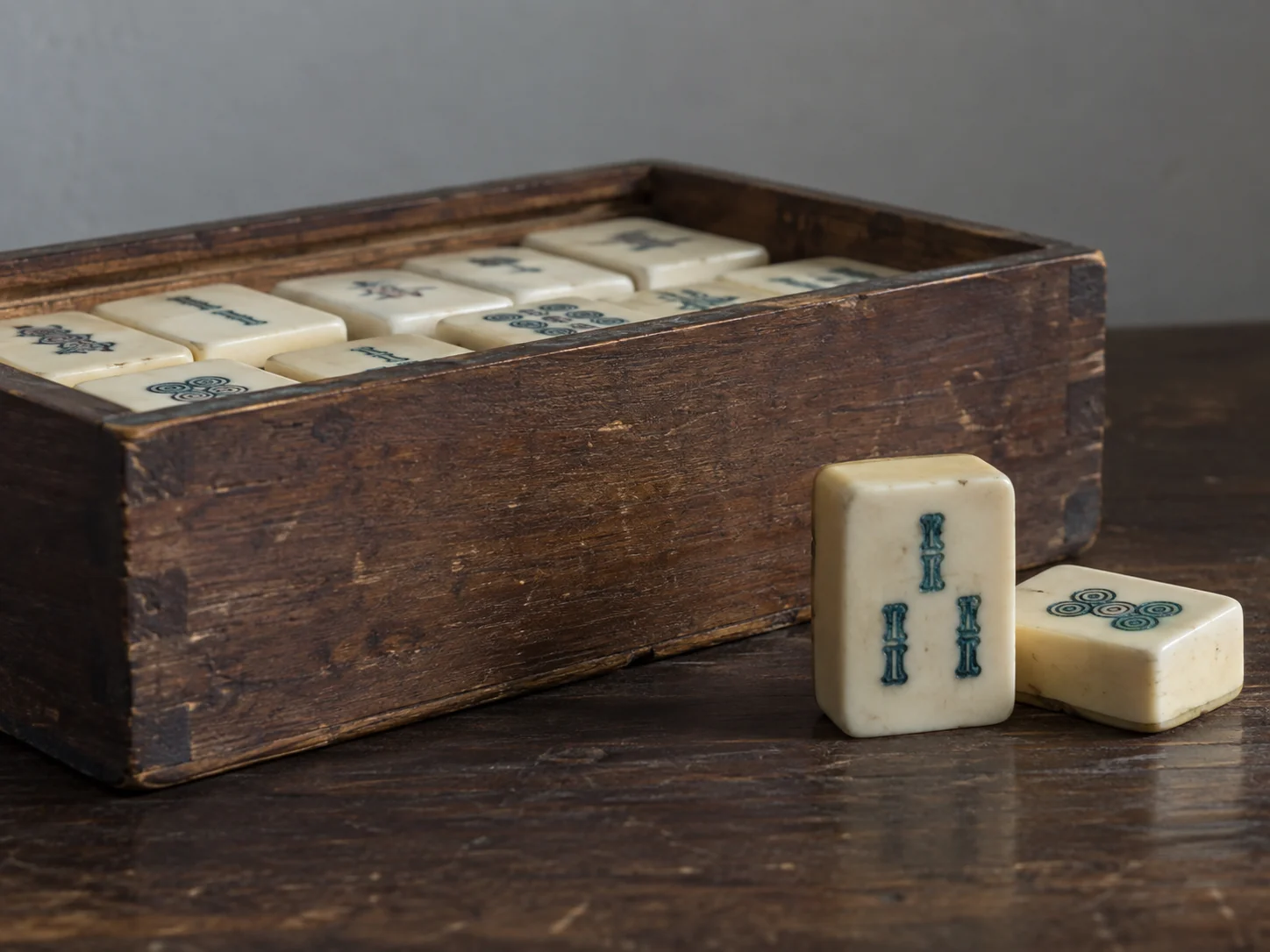
AI-assisted illustrative scene; not an inventory diagram or a customer endorsement. Finished specifications require sample approval.
- 01Historical context
- 02Design intent
- 03Audience review
- 04Approved copy
Begin with a historically grounded introduction
Historical research places mahjong’s development in nineteenth-century China and its major American commercial vogue in the 1920s. Annelise Heinz’s work examines the game through migration, consumer culture and community life. This is a stronger foundation than repeating legends about an unchanged ancient royal game. A short origin statement can be accurate without turning a product page into an exhaustive history lesson.
Recognize more than one community
Heinz’s book overview traces Chinese American, Jewish American and other experiences of the game. Their histories should not be collapsed into a single fashionable demographic. For a manufacturer serving international brands, this means allowing the customer to define its audience while keeping the underlying cultural description respectful. Do not present mahjong as something that began when it appeared in a recent social-media feed.
Sources: Annelise Heinz — Mahjong: A Chinese Game and the Making of Modern American Culture
| Story element | Useful evidence | Avoid |
|---|---|---|
| Origins | Historical scholarship | Ancient-origin myths as fact |
| Brand inspiration | Actual design brief | Invented founder stories |
| Community role | Documented activity | Unverified partnerships |
| Manufacturing | Confirmed specifications | Unsupported heritage credentials |
Distinguish cultural history from a rules explanation
A story about how people gathered around mahjong is not an official rulebook. Similarly, an annual card explains a particular form of play, not the complete history of the game. Keep these functions separate in packaging and on the website. A brief heritage paragraph can link to historical scholarship, while a learning section directs readers to the appropriate rules organization and instruction.
Apply the history to design decisions
Original artwork can be developed without treating traditional visual language as a defect to be eliminated. Ask which symbols the intended players recognize and which elements a brand wants to reinterpret. An original back, restrained palette or thoughtful packaging may offer distinction while preserving familiar face structure. If a face changes substantially, test whether players still identify its role quickly and consistently.
Write a story the product can support
Describe the collection’s actual design inspiration, materials and intended use. Avoid a fictional founder anecdote, a fabricated community partnership or a claim that a factory has preserved a tradition for generations unless evidence exists. Authenticity comes from specific, checkable details. A customer-approved design brief and an honest materials description are stronger than a romantic origin story written solely for search engines.
Prepare the packaging narrative
A useful insert can explain the brand’s chosen palette, identify the game version and acknowledge mahjong’s Chinese origins. Keep it short enough to read at unboxing. Separate the insert from any protected annual-card content, and do not decorate it with credentials or institutional logos that have not been authorized. If contributors are credited, confirm their names and roles before printing.
Make cultural review part of sample approval
Review the final printed copy beside the actual tiles and packaging. Check translations, symbols, unintended associations and image captions. Invite feedback from the intended audience where possible, and record the changes that follow. This is a practical editorial review, not a claim of universal cultural approval. It helps align product development with the people who will use and talk about the set.
KEEP THIS CHECKLIST
- Acknowledge Chinese origins
- Distinguish history and rules
- Check copy with the sample
- Use only authorized names and logos
Sources & context
- Annelise Heinz — Mahjong: A Chinese Game and the Making of Modern American CultureHistorian’s book overview · Oxford University Press, 2021 · Accessed 2026-09-13
- Annelise Heinz — Performing Mahjong in the 1920sHistorical research · Frontiers 37(1), 2016 · Accessed 2026-09-13
Forum excerpts are qualitative feedback. Product specifications describe linked products only. Recommendations are editorial judgments, not lab results or statistical popularity rankings. Editorial policy.