Find direct answers about MOQ, custom artwork, tile inventory, physical samples, production timing, packaging, shipping and supplier verification.
42 answers
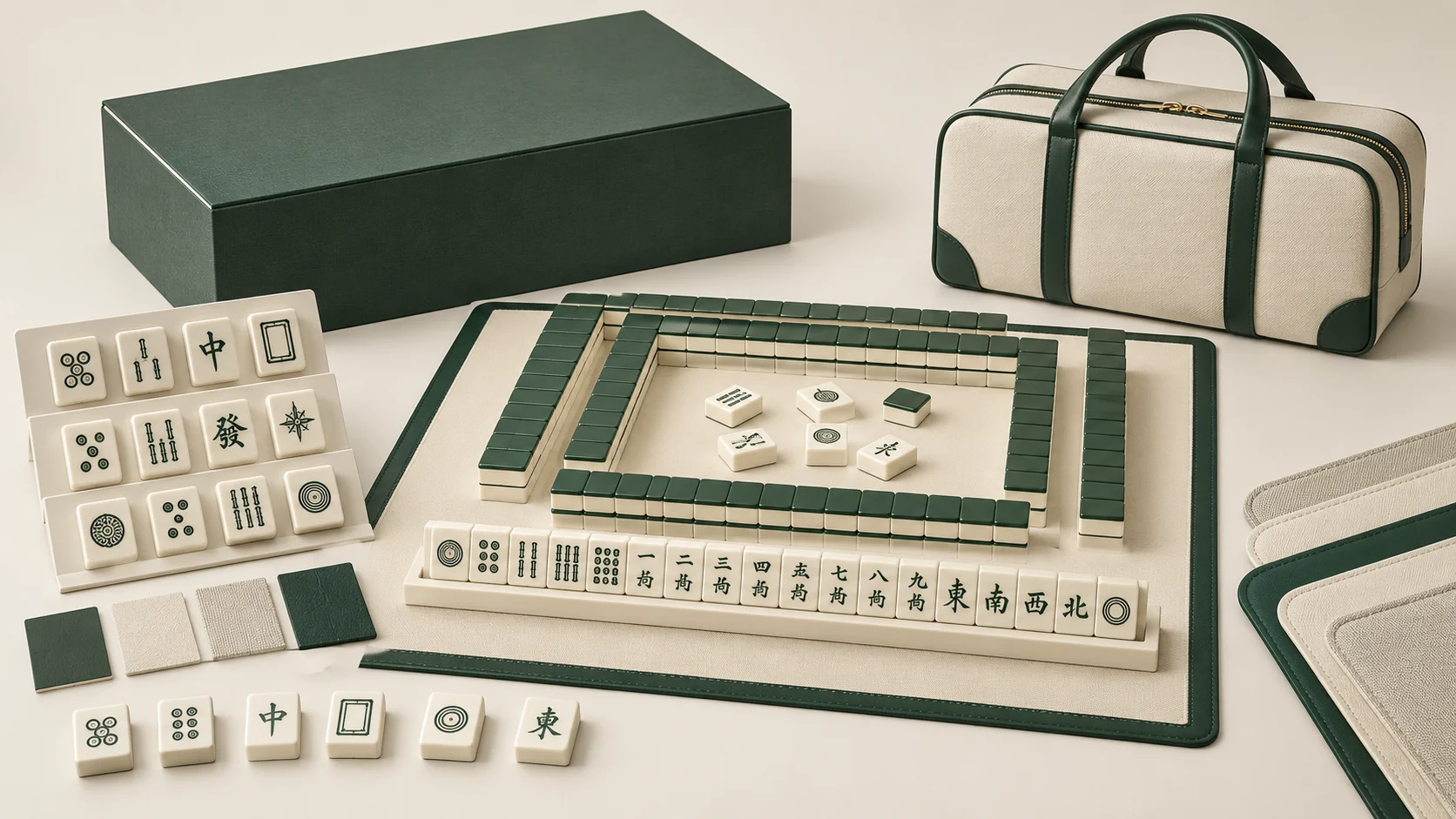
A complete set combines all five product categories: tiles, a mat, racks, a storage bag and a box, and can be packed for individual shipment. In-stock categories can also be ordered separately or mixed without calling the order a complete set. The quotation and bill of materials name the tile inventory, exact quantities, small items, labeling and protective packaging.
In-stock, half-custom and fully custom routes have different approval needs. Review the exact loaded set in a physical sample before production.
Yes. MOQ is 100 across product routes, with mixed colors supported. Tell us whether you need an individual in-stock category, a mixed order or complete five-category sets, and give the quantities, packaging and US delivery destination.
Sampling is generally planned at 25–30 days and custom production at 30–40 days. The quotation confirms purchasing unit, allocation, schedule, price and shipping scope; transit is additional.
A half-custom set keeps agreed existing components while changing selected colors, artwork, logo or packaging. A fully custom project defines a broader product and design scope, including the tile inventory and coordinated accessories.
The written specification distinguishes what remains standard from what is newly developed. Approve the actual materials, artwork, fit and pack-out in a physical sample.
Yes. A complete set contains tiles, a mat, racks, a storage bag and a box. Specify which surfaces carry your brand and how the set is packed and labeled.
Ask about the suitable logo method and related costs in your inquiry. The quotation and sample confirm the approved touchpoints; no method is assumed to work on every component.
American Mahjong is a tile game adapted from Chinese mahjong traditions. In the common NMJL-style format, players build hands listed on an annual card and use jokers under specific rules. Chinese mahjong includes many regional rulesets, so there is no single comparison that covers every version.
For procurement, specify the intended rules variant and a face-by-face inventory rather than relying on the word “mahjong.” Check joker and flower requirements, tile dimensions and accessories. A set for one variant should not automatically be marketed as suitable for every variant.
Yes. You can discuss a tile-only order without purchasing our mats, racks, bags or boxes. Specify whether you want original face artwork, a custom back design, back colors, different dimensions or a combination.
Send the playing inventory, quantity per design, intended rack or case measurements and the packaging you need for the tiles. All products have a minimum order of 100 pieces. Mixed colors are supported. The quotation confirms the exact scope and allocation.
Start with your customer, a realistic quantity per design and the products you want to sell together. You do not need finished artwork to begin. A short brief covering your audience, preferred colors, target date and destination helps us identify the next decisions.
Choose tiles only, a coordinated accessory bundle or a complete retail kit. We can discuss an existing product direction or an original development scope, then put the sample requirements and quotation inputs in writing.
We manufacture mahjong tiles, mats, racks, bags and boxes and support OEM and ODM projects. Our factory page shows production and assembly photographs supplied by the factory team. The quotation should identify the exact manufacturing and accessory scope for your order.
Before paying for an order, request the legal contracting entity, production location and relevant company documents, and check that the payment beneficiary matches the agreed arrangement. Ask for project-specific evidence rather than relying on a photograph or a general quality claim.
Yes. The MOQ is 100 for every product route, including custom orders. In-stock products can be ordered separately or mixed, and mixed colors are supported. Tell us the category quantities and color breakdown when requesting a quote; confirm mixed-order allocation in the inquiry.
Send your product list, quantity per design, tile inventory, preferred materials and dimensions, artwork status, packaging and delivery destination. If you have a budget, say whether it covers products only or also packaging and transport. This helps us compare options that fit your brief.
Ask for sample charges, development or tooling charges, unit prices, packaging and freight to be shown separately where applicable. There is no reliable single price for every custom collection; compare quotations using the same component list and delivery scope.
Yes. All five categories support custom logos and custom packaging bags. Tiles also support original face artwork, back artwork and dimensions. Tell us where the logo should appear and whether you need a discreet mark or a more prominent design.
Ask about the suitable application method and related costs in your inquiry; these depend on the material, surface and design. Include the logo file, intended size, placement and color reference, then approve the actual product and packaging sample.
A physical sample is the point at which you can review the design as a complete product. Ask for the proposed sample scope, charges, delivery and approval steps before proceeding. For a coordinated kit, include the actual tiles, racks, mat and storage in the review rather than approving unrelated components separately.
Record the artwork revision, dimensions, material colors, inventory and packaging. If changes are needed, list them together and confirm any effect on cost or timing. Production requirements should refer to the approved sample and written specification.
Our confirmed planning times are 25–30 days for sampling and 30–40 days for custom production. Shipping, customs and local delivery are additional. Artwork preparation, revisions and approval time also need space in your plan.
Send your desired arrival date, destination, quantity and artwork status. We can discuss the separate stages and the start milestone for each. Do not treat production time alone as a guaranteed door-to-door delivery date; confirm a project-specific schedule before committing to an event.
Standard American mahjong play uses a 152-tile playing inventory. A retail set may include extra jokers, blanks or other spare tiles, giving a higher total such as 160 or 166. The total alone does not tell you which extras your customer receives.
Approve a face-by-face list, separate playing tiles from spares, and make the retail contents list match the packed set. Your preferred rules variant and replacement plan should guide the inventory. The annual rules card is a separate item, not something to infer from the tile count.
The tile selector changes the backs while the faces remain ivory in the preview. Mat colors refer to the underside; the current surface and binding remain as shown. Rack colors apply to the whole rack. Bags and pouches change across the exterior, while gift-box color changes apply to the outside rather than the cream interior.
Each category has eight preview directions. Your selection travels with the quotation brief. The screen image communicates a direction; the physical sample is the reference for the final material and color.
Measure tile height, width and thickness, then compare them with the usable rack channel, ledge and pusher clearance. A rack's outside length is not the same as the space available for tiles. If you already own racks or storage, send their internal measurements and photographs.
Review the actual components together: a full hand and wall, four racks on the mat, and the complete inventory inside the bag or box. Ask for this fit check in the sample scope before ordering components in bulk.
Yes. Sea freight, air freight and express courier are available to discuss. Share the delivery country and city or port, quantity, target arrival window and whether you need a sample shipment or a production shipment. The packed weight and volume are needed for a meaningful comparison.
Confirm what the freight quotation includes, who handles import clearance and any additional local costs. Choose the delivery method around both your budget and schedule; transit estimates are separate from manufacturing time.
Please contact us about missing pieces, damage or color differences. We will advise how to report the issue, the applicable reporting deadline, the evidence required and the replacement-parts handling process for your order.
Include your order reference and a short description when contacting us. Specific reporting requirements and the agreed resolution are confirmed through inquiry and the applicable order terms.
If you have production-ready artwork and specifications, OEM is a useful starting point. If you have a mood board or customer concept and need design development, discuss ODM. Private label focuses on your brand across an agreed product and packaging format.
You do not have to choose the terminology yourself. Tell us what is ready, what you want to change and what help you need. The quotation should define the actual deliverables and approval stages rather than relying on a service label.
Yes, mixed colors are supported with a minimum order of 100 pieces. Send the quantity required for each color. For multiple artwork designs, send your files so we can confirm the design allocation and quotation.
Yes, you can begin with a single category. When ordering accessories separately, confirm the purchasing unit, quantities per design/color and the measurements of the products they must fit. A set of racks, a carrying bag and a complete playing kit are different purchasing units.
For accessories intended for another supplier's tiles, provide real dimensions and a sample if available. Coordinated appearance should not come at the expense of usable fit.
Start with the components your customer needs most. Fewer design and color variations, an agreed existing format and a clearly defined packaging scope can reduce development complexity. Ask for alternatives using the same quantity and delivery assumptions so you can compare them fairly.
Avoid removing the sample review or necessary protective packaging just to reduce the quoted unit price. Those choices affect whether the finished collection works and arrives as expected.
Please inquire about sample fees, shipping charges, whether sample costs can be credited toward a bulk order, and the included number of revisions. You can also ask about payment methods and deposit arrangements.
The applicable fees, revision allowance, payment schedule and any credit conditions will be confirmed in your quotation or order before you proceed.
Yes, a mood board can start an ODM discussion. Include your audience, preferred palette, examples of the feeling you want, the products in the collection and any fixed requirements. Explain which references are inspiration and which artwork you own or are authorized to use.
Before development starts, agree the design deliverables, file formats, revision scope and approval responsibility. A mood board communicates direction; it does not replace a complete production artwork specification.
Provide the best original files you have, together with the intended dimensions and placement. Editable vector artwork is useful for logos and linework; raster artwork needs sufficient resolution at the actual output size. The final file requirements depend on the proposed manufacturing method.
Keep face artwork, backs, logos and packaging versions clearly named. Ask us to review fine lines, small details, contrast and edge clearances before approving the proof. Keep a dated copy of the exact version you approve.
The eight colors are starting directions, not the limit of a discussion. Send a physical swatch or a recognized color reference and identify which components should match. We will review the request against the proposed material and manufacturing scope.
The same reference can look different on acrylic, fabric and a gift-box covering. Approve each physical material under agreed viewing conditions rather than expecting every component to match a screen image exactly.
Review the artwork as a complete tile system, not just as an attractive individual tile. Customers need to distinguish suits, numbers, flowers, winds, dragons and jokers comfortably at the table. Check small details, contrast and the differences between similar faces.
Use a physical sample at the intended tile size and ask representative players to review it. For a teaching collection, clear recognition may matter more than extra decoration. Approval should cover usability as well as appearance.
Treat the material name as one part of the specification. Compare the actual proposed samples for dimensions, weight, finish, color, edge quality, artwork and how they feel during handling. Construction and finishing choices can make products with the same material name feel different.
Tell us what matters to your customers and request the material identity for the sample. Do not assume that a more expensive material name alone proves better durability or play quality.
Yes. The tile page provides 12 factory size references and 1–6 layer directions, and custom dimensions can be discussed. Record dimensions as height × width × thickness in millimeters. A reference number alone is not a complete size specification.
For layered construction, confirm the material, individual layer thicknesses, colors and finished measurements in the sample. Review the chosen size with the actual racks and storage; the color preview does not change its photographed proportions when you select a different size.
Confirm every included item in the quotation and packed contents list. Chips, dice and an instruction booklet can form the agreed accessory bundle, with quantities confirmed for the chosen configuration. Do not infer that accessories are included simply because they appear in an illustrative scene.
An instruction booklet is not the official NMJL annual card. Treat any annual card as a separate item unless its inclusion and authorized supply are explicitly agreed.
It may, but it needs a physical fit check. Record the usable channel length and depth, tile ledge, end features and pusher clearance. A larger tile may fit individually while a complete hand or wall does not.
Send the rack measurements and your intended tile dimensions. Test stability and movement with the actual rack before approving bulk tiles. If fit is uncertain, review tiles and racks together as a coordinated sample.
Check the usable playing area on the intended table with all four racks, walls and space for hands and cards. Review flatness, underside grip, tile movement and edge construction on the proposed material. Decoration should leave the playing area easy to use.
Also review how the mat is packed. If it will be rolled or folded, assess how it settles after unpacking and whether it fits the selected bag. Our current color selector changes the underside, so describe any other requested surface changes separately.
Provide a component list with tile quantities, rack length, mat packing format and any inserts or accessories. Compare usable internal space, not just the outside dimensions. Dividers, lining, seams and closures reduce the space available inside.
Load the physical sample with the complete agreed kit. Check that the lid closes without pressure, the zipper operates comfortably and components do not move excessively. Review the packed kit before approving exterior color and presentation alone.
Send the change as soon as possible and identify the affected artwork, component or packaging version. A change after approval may require another sample, material review or a revised production plan. Feasibility depends on the stage the project has reached.
Ask for written confirmation of any cost and schedule effect before proceeding. Keep one current specification and an approval record so an old design is not mistaken for the latest instruction.
Tell us the inspection or test requirements during quotation, including the product, material, destination and intended use. Request documents that match the actual proposed product and review their scope, date, laboratory and named entity. A report for a different item is not proof for your order.
Third-party inspection access, timing, method and costs require project agreement. Confirm which checks are sampled and which are performed on every set; do not assume a fixed AQL or certification from a general factory description.
Keep the approved sample reference, artwork files, bill of materials, color references, dimensions and packaging revision from the first order. When requesting a reorder, identify that version and list any changes explicitly.
Ask whether materials or construction need to be reviewed again, and compare the new sample or agreed production reference with the retained standard. A familiar product name or color name alone is not enough to establish consistency across orders.
Include the replacement strategy when defining the initial inventory. Agree whether extra blanks, jokers or other identified pieces should be packed as spares and how they will be listed for the customer. This avoids treating every extra tile as part of the playing inventory.
Later replacement availability, quantity and color matching must be checked for the particular design and batch. We do not promise unlimited individual replacements; record the required artwork and back reference with your order.
Describe the sales channel, kit contents and presentation you need. Logos and packaging bags are supported; other labels, inserts, protective components and pack-out details should be included in the quotation scope. If a marketplace or warehouse has specific requirements, provide its current instructions.
Review the retail package and shipping carton together. Agree the component count, protective separation, carton quantity and packed dimensions before requesting a final freight quotation. Channel compliance is not automatic.
Ask the quotation to state the agreed delivery term and named destination, then list what is included and excluded. Freight, customs clearance, duties, taxes and local delivery should not be assumed to be covered by one transport figure.
Send the delivery address or port and identify who will handle import arrangements. Confirm the responsibilities with the sales and freight parties before placing the order; this website does not promise a universal duty-paid service.
Factory and workshop photographs are supplied by our factory team. White-background product images, color variations and editorial scenes illustrate design possibilities. They help communicate a direction but do not establish a stock SKU, an exact material result or a completed customer order.
Use the configuration tools to describe what you want, then approve the real construction, artwork, colors, fit and contents in a physical sample before confirming the production specification.
Tell us how the sets will be used, the number of tables or recipients, the expected order quantity and the desired arrival date. A teaching collection may prioritize legibility and missing-piece checks, while gifting may place more emphasis on coordinated storage and presentation.
Share the audience and practical requirements along with the visual direction. We can discuss a product combination and quotation scope around that use case without assuming you need every accessory.
Use a product color selector or the collection brief tool, then open the quote page to add your company, quantity, destination and project details. Review the prepared message before submitting it.
The inquiry is sent securely to our sales team. A successful confirmation means the request was accepted for delivery; if delivery fails, the form keeps your information available so you can try again. If you are unsure of a specification, mark it as an open question rather than guessing.
Choose a question below for the direct answer. The right specification depends on your design, quantity and market, so use these answers to prepare an informed conversation rather than a one-size-fits-all order.
Product fit
Will my tiles fit the rack?
Send the tile width, height and thickness alongside the rack’s usable dimensions. Review the physical arrangement with the intended mat and storage before ordering separate components in bulk.
A base-range project may reduce the amount of development required. Confirm whether your proposed changes remain within that scope. Custom MOQ depends on the project, and quantities should be discussed per design rather than only as a total order.
Include a photo or brief, the product category, quantity per design, destination and your target timing. If you are comparing samples, identify the measurements or finish details that concern you.
Get a focused OEM / ODM conversation about your American mahjong range. Share your product list, quantity per design, artwork status and destination. We can then discuss the sample scope, accessory fit and production schedule around your launch.