THE SHORT ANSWER
ODM development should turn a market idea into approved artwork, a complete specification and a reviewed sample. Agree the deliverables and decision points before treating a concept image as a production commitment.
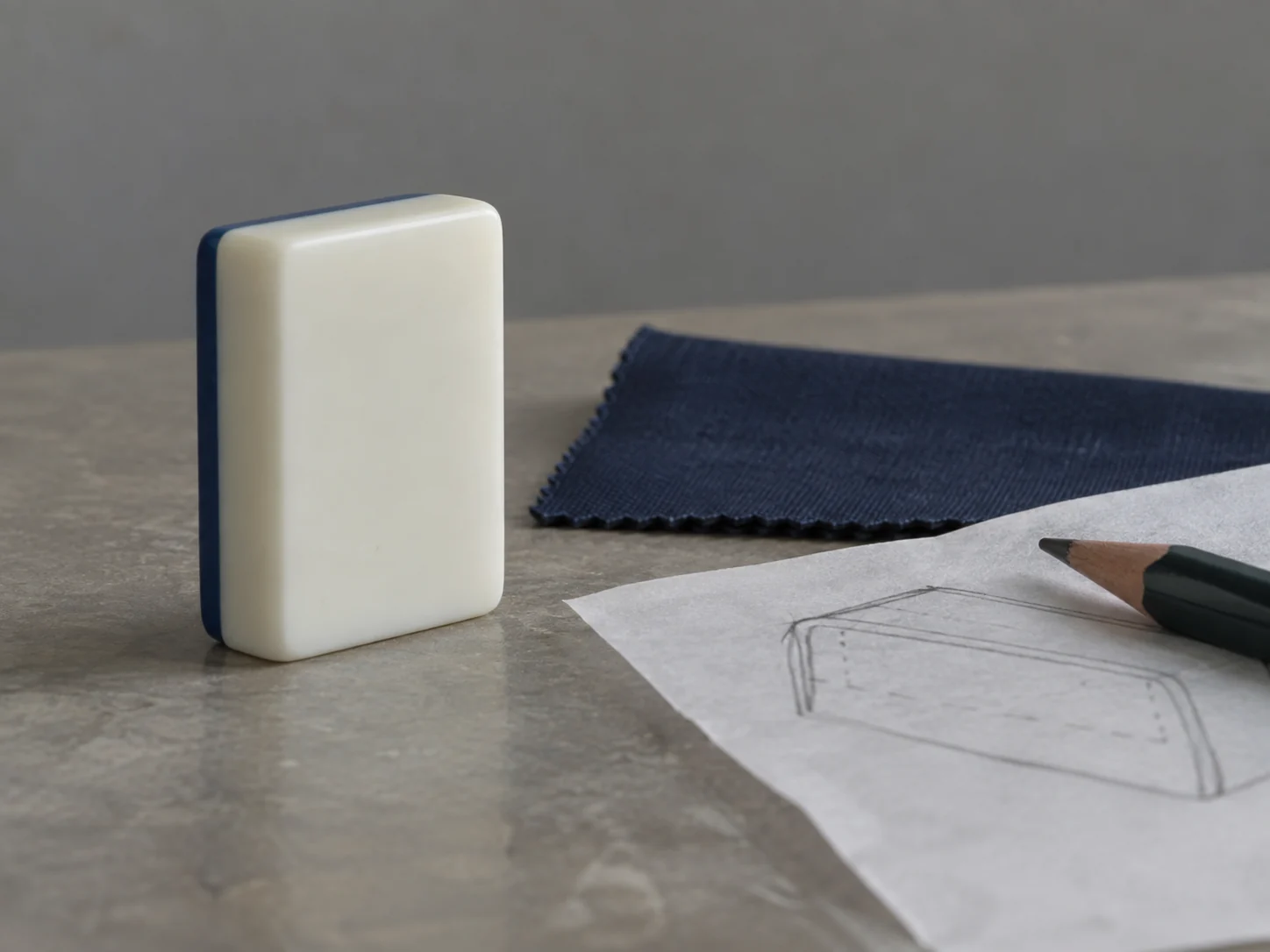
AI-assisted illustrative scene; not an inventory diagram or a customer endorsement. Finished specifications require sample approval.
- 01Brief
- 02Design
- 03Sample
- 04Approve
- 05Produce
Define the customer problem first
A concept such as “premium botanical mahjong” still leaves important questions unanswered. Is the collection for established players, a gift channel or beginner classes? What should it improve: recognition, portability, presentation or range consistency? Public design criticism repeatedly distinguishes decorative novelty from easy recognition. Use that as a prompt for testing, not a reason to claim that all modern artwork performs poorly.
Sources: Reddit — Discussion of modern mahjong tile designReddit — Custom tile design feedback
Gate 1: a written product brief
Record the audience, intended game, components, approximate quantity and target launch window. Decide whether the project includes tiles only or coordinated accessories. Specify which existing elements the brand supplies and which require development. The output of this gate is an agreed scope, including exclusions. Without it, a useful design discussion can drift into an assumption that every illustrated object is part of the quote.
| Gate | Deliverable | Buyer decision |
|---|---|---|
| 1 | Audience and scope | What is included? |
| 2 | Artwork / dimensions | Is the design usable? |
| 3 | Component samples | Does the kit fit? |
| 4 | Revision record | What is approved? |
| 5 | Production plan | What remains conditional? |
| 6 | Reference pack | How will reorders be controlled? |
Gate 2: artwork and physical constraints
Review the face system, back design and the full dimensions together. A concept must survive at actual tile size, not only on a large screen. Document the artwork version and ask the manufacturer about feasible construction. If layered appearance is requested, use a sample reference and a written description rather than assuming layer count establishes durability or a particular material process.
Gate 3: coordinated component samples
Approve the tile, rack, mat and storage choices as a system. Check that the rack supports the selected profile and that the mat and case fit the complete kit. Colors should be reviewed on their actual materials. Where a component is still unresolved, mark it as open instead of using an attractive rendering to imply it has been approved.
Gate 4: changes and final acceptance
Collect revisions into one dated list with an owner for each decision. Ask about the allowed revision scope and cost by inquiry; there is no published unlimited-revision promise. Confirm which changes need another physical sample. A written approval should identify the accepted configuration and any exceptions, so production does not depend on an informal message such as “looks good.”
Gate 5: production and QC planning
Only after the specification is stable should the parties confirm the production and inspection plan. Our published planning windows are 25–30 days for sampling and 30–40 days for custom production, with transit separate and project dates confirmed in the quotation. A gate is a decision point, not an extra promise that every project can follow the same calendar.
Gate 6: maintain the product record
Keep the final artwork, inventory, material descriptions, dimensions and packed sample reference together. Record who may authorize future changes and what must be reviewed on a reorder. This becomes a useful handover from development to purchasing and customer support. For AI-assisted concept imagery, label the visual as illustrative until a corresponding physical sample is approved.
KEEP THIS CHECKLIST
- Agree design deliverables
- Approve artwork at finished size
- Review accessories together
- Record changes and acceptance
Sources & context
- Factory ordering scope: MOQ, customization, samples and shippingFactory terms confirmed by the owner on 10 September 2026 · Accessed 2026-09-11
- Reddit — Discussion of modern mahjong tile designPublic design discussion · 2026 · multiple mahjong variants · Accessed 2026-09-13
- Reddit — Custom tile design feedbackPublic design discussion · 2026 · not exclusively American rules · Accessed 2026-09-13
Forum excerpts are qualitative feedback. Product specifications describe linked products only. Recommendations are editorial judgments, not lab results or statistical popularity rankings. Editorial policy.