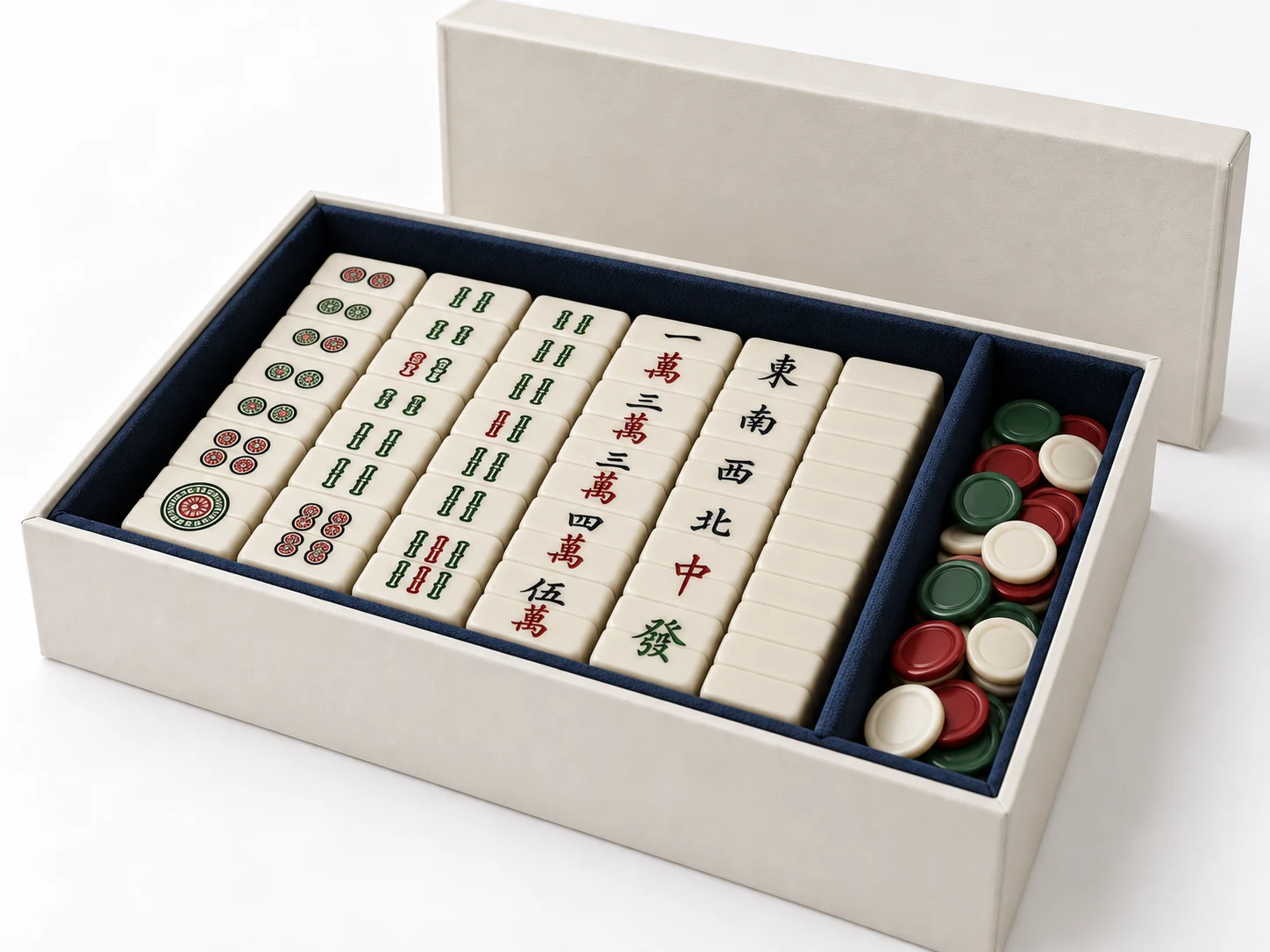
THE SHORT ANSWER
Choose OEM when you have artwork or a detailed product specification. Choose ODM when you need original development around your brand brief. Private label is a narrower branding scope. Confirm the actual work and ownership terms; labels alone are not a contract.
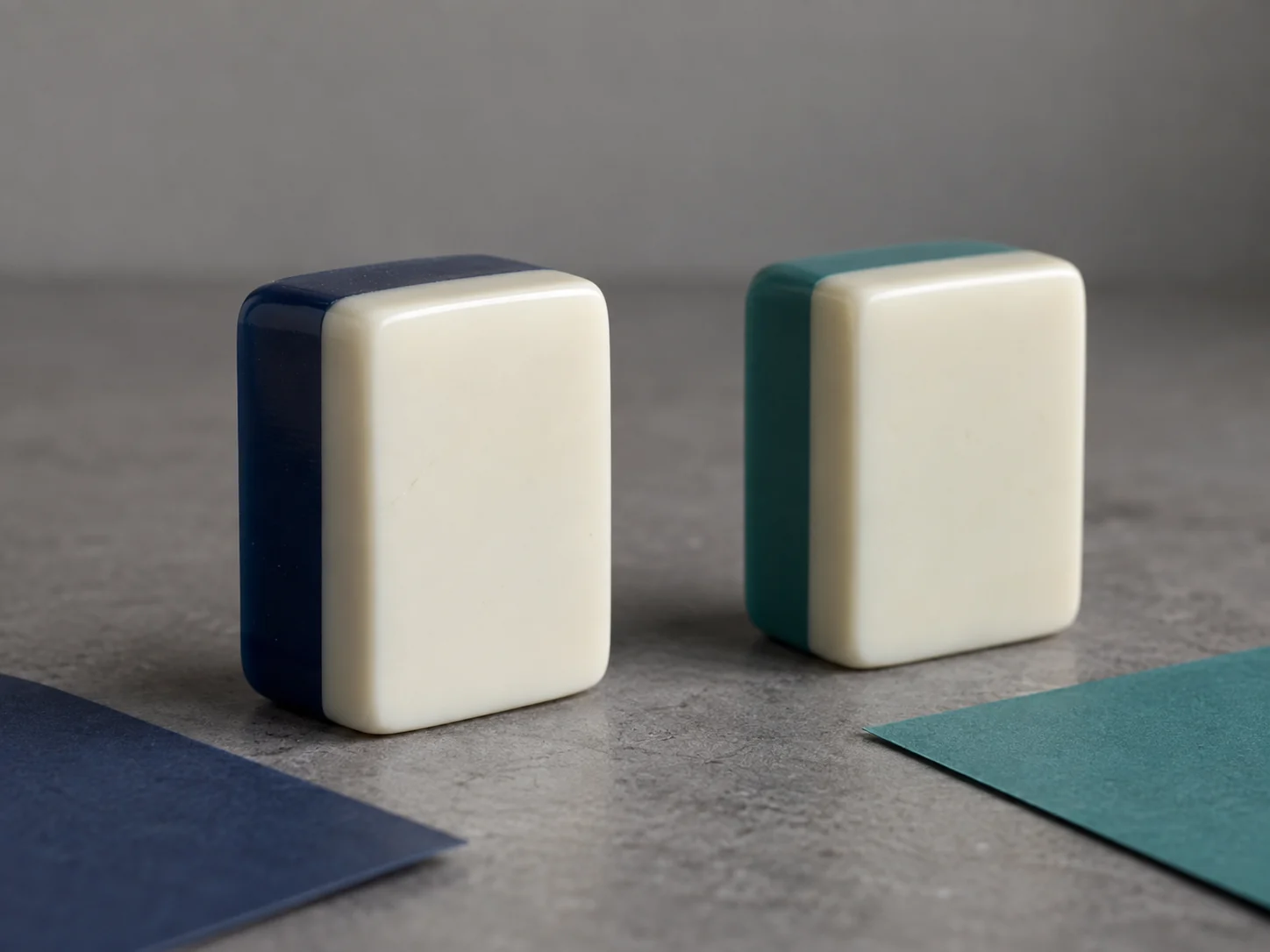
AI-assisted illustrative scene; not an inventory diagram or a customer endorsement. Finished specifications require sample approval.
- 01Assess design readiness
- 02Assign responsibilities
- 03Define deliverables
- 04Approve development
OEM: start with your specification
An OEM project begins with your design requirements. Manufacturing review still matters: artwork needs to work at tile scale, a selected finish needs a physical sample, and components need to fit. Providing a file does not remove the sample-approval step.
ODM: develop the collection together
An ODM brief should describe the target customer, intended playing format, aesthetic and commercial constraints. The development process connects artwork to materials and component design. Define the number of concepts and revisions rather than assuming an unlimited design service.
| Route | Typical starting point | Main decision |
|---|---|---|
| OEM | Your artwork / specification | Can it be made as specified? |
| ODM | Your brand / audience brief | What should the collection become? |
| Private label | An agreed product format | Where does your brand appear? |
Private label: define the branding touchpoints
Private label may focus on packaging, a bag label or an agreed product format. Specify exactly which elements change and which stay fixed. A logo-only project and a fully original tile face system should not be quoted as the same scope.
What all three routes need
Every route needs an approved inventory, dimensions, sample, packaging scope and quotation. Ask how design files, tooling and production references will be handled. Put ownership and exclusivity expectations in the project agreement.
A useful way to start
Send what you already have: artwork, brand guidelines, intended products and quantity by design. State what you need help developing. A clear brief makes it easier to identify the right service and avoid paying for work you do not need.
Choose by the work still required
An established brand may supply complete artwork but need new storage development. Another buyer may have only a palette and need the face system designed. Describe those tasks explicitly instead of forcing the whole project into one label. OEM and ODM describe a working arrangement; they do not remove the need for a component-level scope.
Identify who supplies the design files, who checks dimensions and who approves changes. A mixed project can be sensible when its responsibilities are clear. The quote should distinguish repeat manufacturing from design development so neither party assumes an unpriced activity is included.
Keep rights and deliverables explicit
A reference image communicates a direction but does not establish permission to reproduce it. Ask the buyer to supply original or authorized artwork and discuss the deliverables expected from development. Do not promise ownership, exclusivity or file transfer on behalf of a supplier without an agreed arrangement.
For a new collection, retain the approved artwork version, specification and sample record together. If the project moves from design development into repeat production, confirm what changes remain open. A completed concept presentation is not the same milestone as an approved production sample.
KEEP THIS CHECKLIST
- List the design work you already have
- Define the remaining development scope
- Agree on ownership and approvals
- Compare equivalent deliverables
Sources & context
- Where the Winds Blow: FAQBrand customization reference · Accessed 2026-09-11
Forum excerpts are qualitative feedback. Product specifications describe linked products only. Recommendations are editorial judgments, not lab results or statistical popularity rankings. Editorial policy.