THE SHORT ANSWER
Our factory supports sea freight, air freight and express courier. Compare options using the same packed shipment, destination and delivery scope. Production time is separate from transit, and a freight estimate should identify what is included.

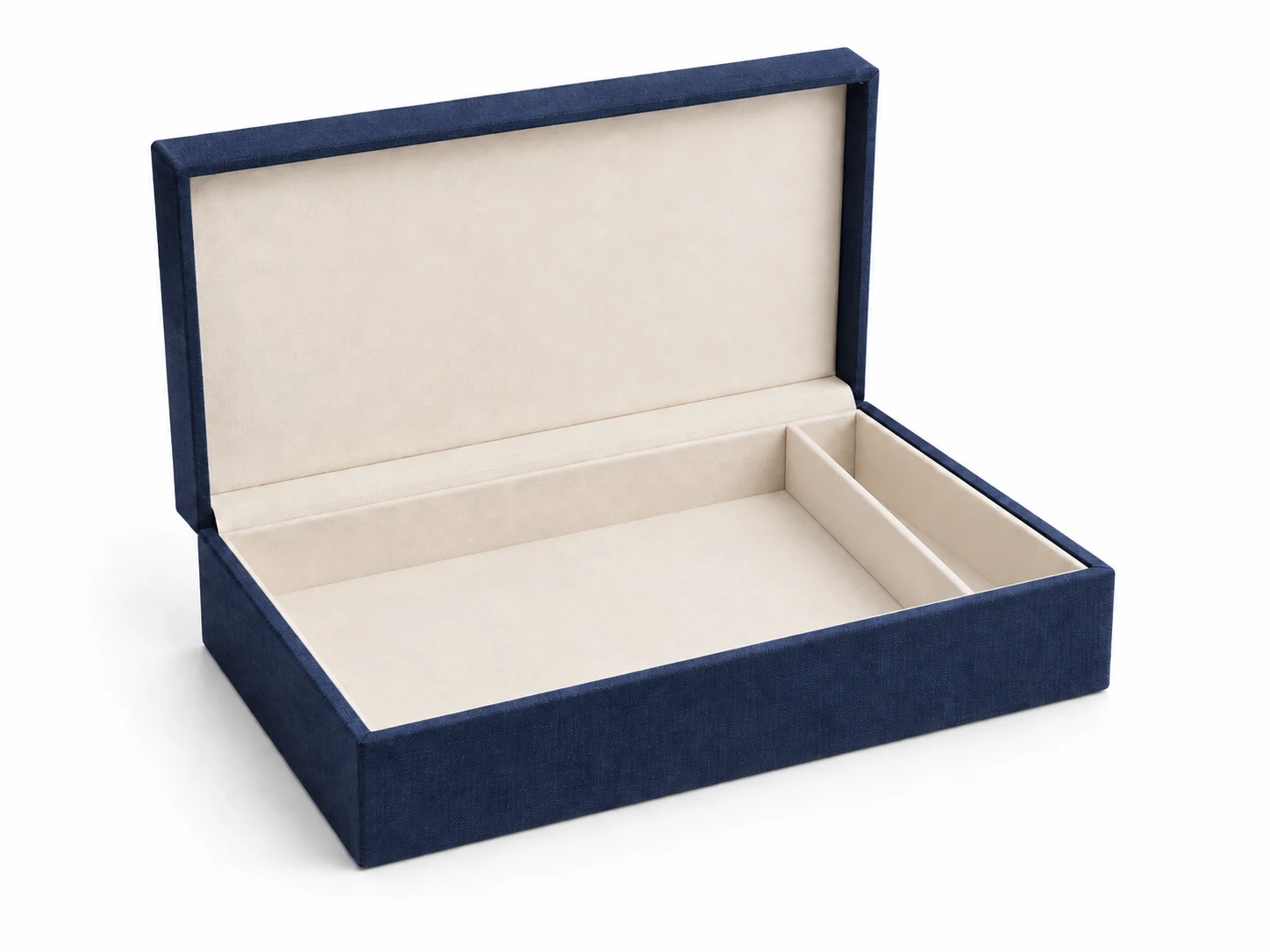
AI-assisted illustrative scene; not an inventory diagram or a customer endorsement. Finished specifications require sample approval.
- 01Confirm packed size
- 02Define destination
- 03Compare routes
- 04Agree delivery scope
Start with the packed order
The product count alone is not a shipping specification. Request the number of cartons, carton dimensions, gross weight and the packing arrangement. A tile-only order and a collection with racks, mats and rigid boxes have different packing needs. When comparing freight options, use one agreed shipment specification so a lower estimate is not simply based on fewer services or different packaging. Confirm whether the quote ends at a port, an airport or a delivery address.
Sea freight: plan bulk dispatch
Sea freight is an available option for bulk orders. Share the destination port or final address and the acceptable delivery window. Ask for the proposed service scope and current estimated schedule, including the parts of delivery that are excluded. Do not treat a generic transit estimate as a fixed arrival date. Consolidation, routing, clearance and local delivery need to be considered against the actual shipment. The suitable choice depends on the quoted total and your launch requirements.
Air freight and express: define the service
Air freight and express courier are both supported, but their quotation scope should not be assumed identical. For air freight, establish the collection and destination handling arrangements. For express, confirm the door-to-door scope and any address limitations with the quotation. Samples may be suitable for courier dispatch, while the final choice for a production order depends on packed weight, volume, timing and the available service to the destination.
Keep factory timing separate
Sampling takes 25–30 days and custom production takes 30–40 days under the stated factory planning terms. Freight is an additional stage. Ask for an estimated dispatch date and transit estimate separately, and identify the approval milestones required before production begins. If a launch date is fixed, work backward with time for reviewing the physical sample and resolving revisions. Do not promise a retail release from the manufacturing allowance alone.
Make the comparison reviewable
Request a written comparison showing the same goods, packing specification, delivery destination and quoted inclusions. Keep duties, clearance responsibilities and insurance scope explicit instead of inferring them from a shipping label. This guide is a procurement planning checklist, not a customs classification or tax quotation. Destination-specific requirements should be checked for the actual shipment before booking. A clear shipping brief helps the factory and buyer evaluate the practical options together.
Use the packed sample to inform the discussion
Ask for the proposed packed dimensions and weight once the contents and packaging are defined. These figures should describe the shipping unit being quoted, not only the bare tiles. A gift-box change can affect the logistics discussion even when the playing set is unchanged. Keep the packaging version connected to the freight inquiry.
State the destination and desired arrival window. Ask what is included and excluded in the transport arrangement and which party handles each step. Do not infer a delivered price from a product price or a manufacturing lead time.
Separate planning from a shipment commitment
Sea, air and express are available options, but a general guide cannot establish the best route for an unspecified order. Compare the actual quoted scope and timing. Ask how revisions, production completion and pickup scheduling interact. Where the final arrangement is not known, label it open.
For a seasonal collection, keep contingency in the commercial discussion rather than inventing a universal transit allowance. Retain the final packing list and order reference for receiving. If a problem arrives with the goods, follow the reporting process agreed for that order.
KEEP THIS CHECKLIST
- Packed weight and carton dimensions
- Destination and delivery endpoint
- Quoted inclusions and exclusions
- Dispatch date separate from transit
- Responsibilities agreed before booking
Sources & context
- Factory ordering scope: MOQ, customization, samples and shippingFactory terms confirmed by the owner on 10 September 2026 · Accessed 2026-09-11
Forum excerpts are qualitative feedback. Product specifications describe linked products only. Recommendations are editorial judgments, not lab results or statistical popularity rankings. Editorial policy.