THE SHORT ANSWER
Use a waitlist when you are collecting interest without taking an order or payment. Use a preorder only when you have evidence for the shipment promise and a process for changes. Use an in-stock launch when the exact saleable configuration is available to fulfil. A factory completion estimate, warehouse arrival and customer dispatch are separate milestones.

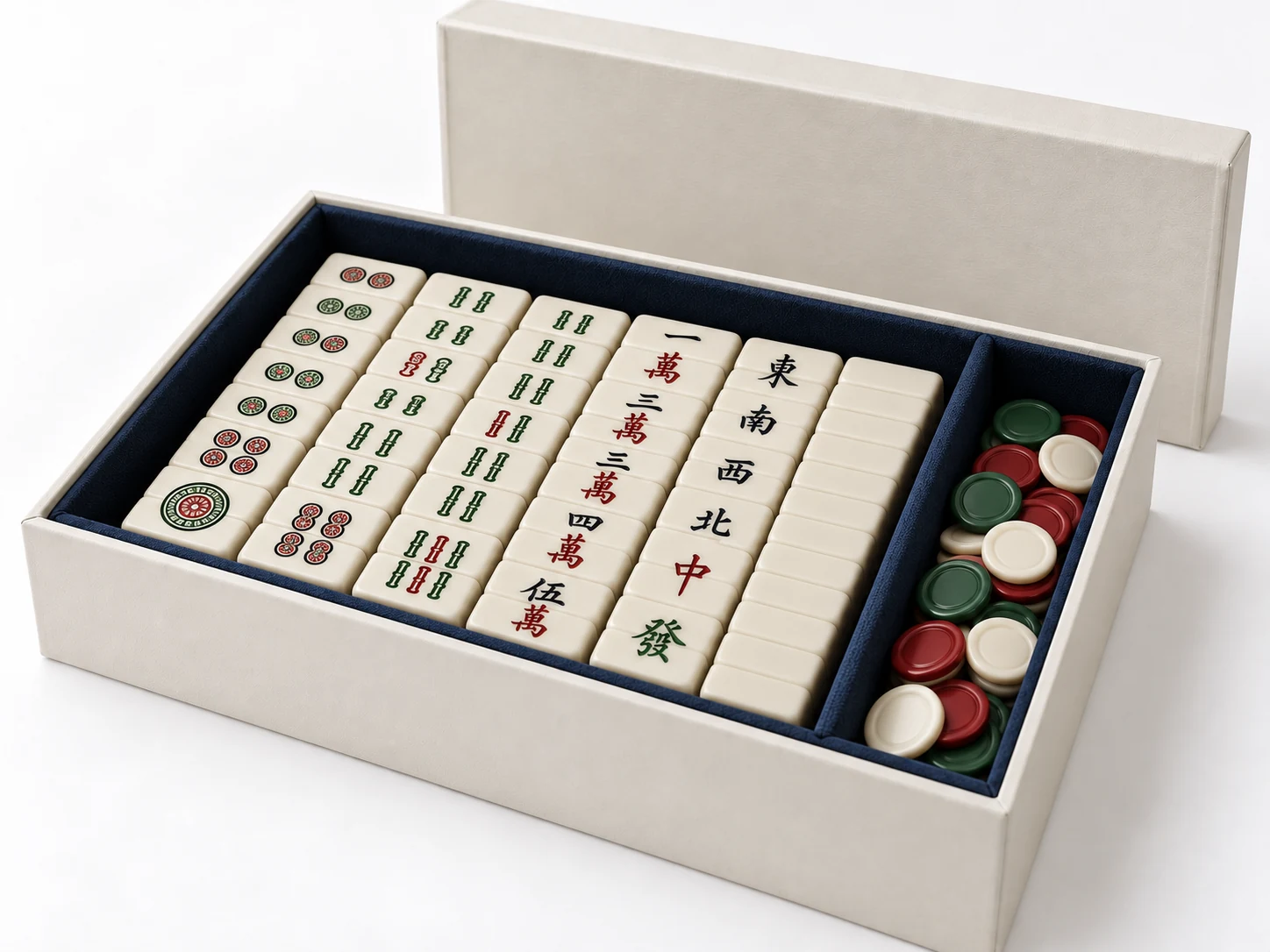
Tiles, a closed box and a calendar arranged around a launch-planning theme. No delivery date or stock availability is established by the image.
Why the status words matter
A coordinated mahjong collection can have tiles, racks and bags at different stages. A date for one component does not establish readiness for the bundle. The Mahjong Line’s own inventory page separates pre-order, in-transit and production statuses and includes October–November arrival estimates. This is a useful current example of status distinctions, not evidence that every listed arrival occurred or that the whole market has a shortage.
Compare the three launch routes
Use the following as proposed operating definitions. Your checkout terms and actual conduct must match the route. Calling a paid reservation a waitlist does not make it an expression of interest.
| Decision | Waitlist without payment | Preorder | In-stock launch |
|---|---|---|---|
| Buyer action | Registers interest | Places an order for later shipment | Orders available merchandise |
| Inventory basis | Not a stock promise | Documented supply and fulfilment plan | Exact saleable inventory checked |
| Payment | None under this definition | May be collected under stated terms | Collected under normal order terms |
| Public timing | Explain when more information is expected | State supported shipment timing | State supported dispatch timing |
| Change handling | Update interested subscribers appropriately | Maintain required delay and refund process | Resolve stock or dispatch exceptions |
| Best fit | Specification or launch readiness unresolved | Confirmed scope; later shipment supported | Available stock; fulfilment ready |
| Main failure to prevent | Implying priority stock without an allocation | Selling against an unsupported date | Counting incomplete or committed stock as available |
Choose by the uncertainty that remains
If artwork, component choices or packaging are still open, collect interest without representing a dispatch commitment. If the product is defined but supply is pending, ask whether a supported preorder is feasible. If you have available inventory, check that it is the advertised colour, contents and packaging before describing it as ready to ship.
For a club or event with a fixed date, start with the required arrival date and ask who can confirm each milestone. A more attractive launch page does not reduce production or transit uncertainty. A small opening order still needs a workable fulfilment plan. These are decision criteria, not claims about which route sells more.
Our confirmed supply position, and what still needs an order check
As of November 2, 2026, our owner confirms production capacity of at least 10,000 mahjong sets per month and stock of at least 1,000 sets per design. These figures describe capacity and inventory at the time of confirmation; they do not reserve stock for a particular buyer.
The confirmed lead time for an in-stock order is within 15 days. Before using that timing in a retail promise, confirm the selected design, quantity allocation, start conditions and dispatch scope in the written quotation. Do not present it as guaranteed arrival at an overseas customer’s address. Transit and destination handling need their own confirmation.
Connect supplier milestones to the retail promise
Ask the supplier to distinguish specification approval, component completion, packed goods readiness and dispatch. Then have the importer or fulfilment partner identify the remaining transport, receiving and order-processing work. Keep owners and evidence beside each milestone.
For a bundle, record which component controls release. If bags arrive after tiles, decide before taking orders whether the whole collection waits or whether a clearly agreed split shipment is practical. Do not turn a component estimate into a promise for the finished set. This proposed handover should be checked against your actual supplier arrangement.
| Record | Evidence to request | Decision before launch |
|---|---|---|
| Saleable configuration | Current contents and approved revision | Exactly what will the customer receive? |
| Stock allocation | Quantity available for this sales channel | Is it already committed elsewhere? |
| Remaining work | Written milestones and responsible parties | What can still move the dispatch date? |
| Retail wording | Product page and checkout timing together | Do both communicate the same promise? |
| Exception owner | Customer-service process and records | Who acts if the date becomes unsupported? |
Understand the U.S. shipment-rule boundary
The FTC guide says a seller needs a reasonable basis for its shipment representation. Without a clearly stated shipment time, its rule generally uses 30 days after a properly completed order. If the promised time cannot be met, the seller must follow the rule’s delay-consent or refund requirements; details and exceptions matter. Review the official guide for the actual transaction. These are retail obligations, not this project’s production lead time.
Keep the original statement, its supporting evidence and subsequent communications. Check that an updated product page also reaches customers who already ordered through the required process. Do not assume that a general notice or the word “estimated” resolves every existing order.
Sources: FTC — Mail, Internet, or Telephone Order Merchandise Rule: business guide
Buyer questions
Resolve these questions with the people who control inventory, fulfilment and customer terms.
Can I call a paid reservation a waitlist?
The comparison here uses waitlist to mean interest without an order or payment. Review what the buyer actually agrees to; the name does not determine every obligation.
Does a factory completion date mean my customers can receive their sets then?
No. Packing, release, transport, import handling and fulfilment may remain. Identify which milestone the date describes.
Is an in-stock launch always the best option?
It fits available saleable inventory. If readiness is unresolved, collecting interest may better match what you can currently support.
Can an online status update replace a delay process?
Do not assume so. For U.S. orders, consult the FTC’s requirements for the actual delay, consent and refund situation.
What should I send with an OEM launch inquiry?
Send the product contents, quantity allocation, destination, approval status, intended sales route and target milestones. Ask for written project-specific timing.
Prepare the supplier discussion
Bring the launch route to the inquiry alongside the product brief. It tells the supplier why timing evidence matters, while leaving actual inventory and dates to be confirmed.
KEEP THIS CHECKLIST
- Choose the launch route and align checkout terms
- Define the exact saleable bundle
- Record stock allocation and unresolved milestones
- Support the shipment statement before taking orders
- Assign an owner for delay communications
Sources & context
- FTC — Mail, Internet, or Telephone Order Merchandise Rule: business guideU.S. regulator; existing rules, not a new 2026 requirement · Accessed 2026-11-02
- The Mahjong Line — Ambassador inventory updatesBrand-owned status page observed November 2, 2026; October–November arrival estimates, not verified deliveries or industry statistics · Accessed 2026-11-02
A planning comparison for brands selling physical merchandise, with U.S. retail-rule context. It does not establish this supplier’s inventory, accept retail preorders or provide a complete legal assessment. Editorial policy.